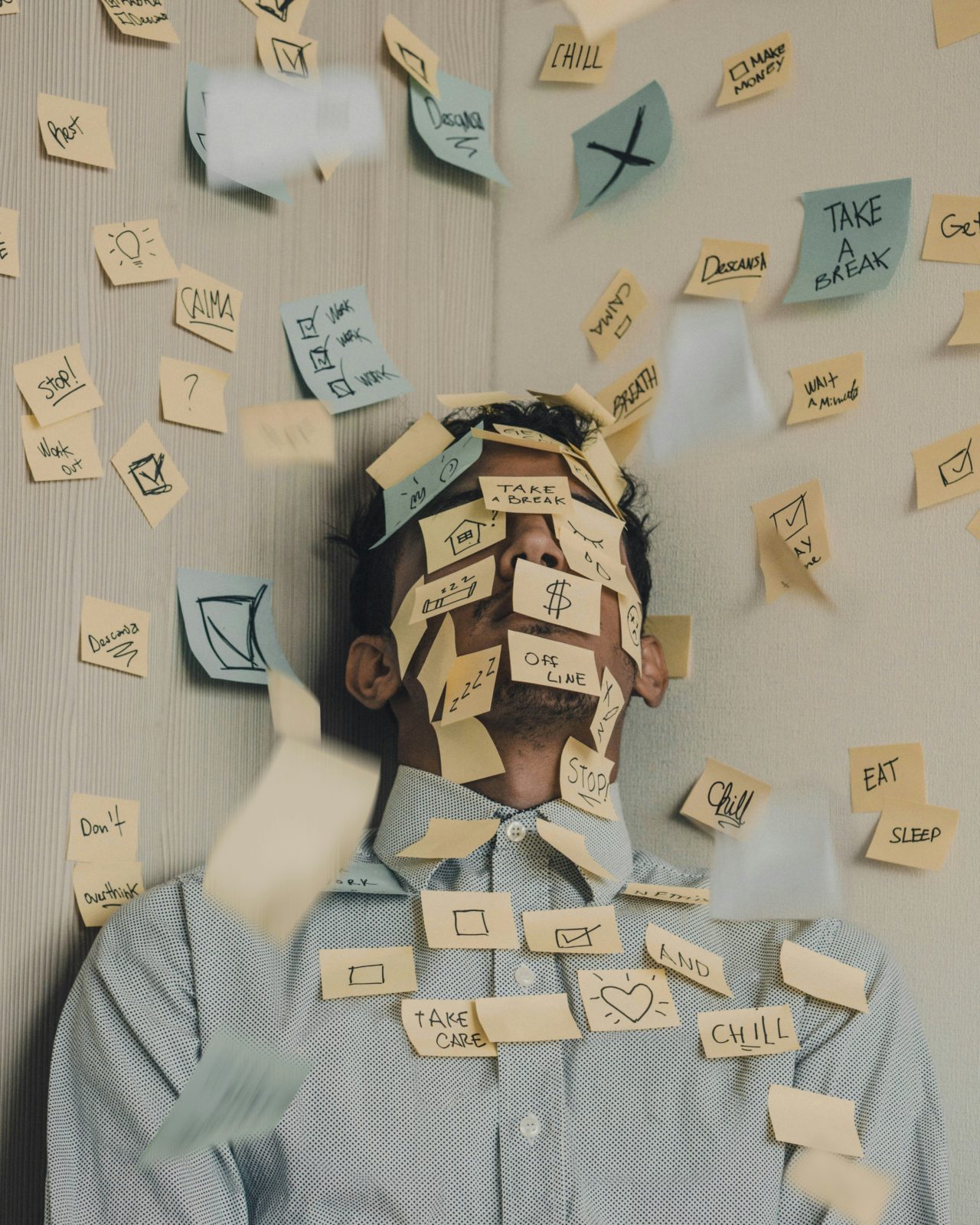
In our daily lives, we often hear about stress and anxiety. But do we really know the difference between the two? Although these terms are often used interchangeably, they refer to distinct emotional states with different causes and manifestations. Understanding these differences is essential to better manage these emotions and improve our well-being.
What is stress?
Stress is our body’s natural response to a perceived threat. It is a physical and emotional reaction to situations that put us under pressure. For example, a tight deadline at work or a conflict with a loved one can trigger a stress response. The symptoms of stress are often physical, such as headaches, muscle tension, and an increased heart rate.
What is anxiety?
Anxiety, on the other hand, is a reaction to prolonged stress or persistent worries. It manifests itself through emotional symptoms such as fear, excessive worry and a feeling of unease. Unlike stress, anxiety can arise for no apparent reason and persist even after the initial stress factor has disappeared.
The causes of stress and anxiety
The causes of stress are generally external. They may include factors such as work, interpersonal relationships, or everyday events. Anxiety, on the other hand, can be triggered by internal and external factors. For example, a genetic predisposition, chemical imbalances in the brain, or traumatic experiences can contribute to anxiety.
How can stress and anxiety be managed?
Stress and anxiety require different approaches. For stress, relaxation techniques such as meditation, yoga and physical exercise can be very effective. It is also important to take time for oneself and to engage in activities that provide pleasure and relaxation.
For anxiety, more in-depth interventions may be necessary. Cognitive behavioural therapy (CBT) is a commonly used method to help individuals identify and modify the negative thoughts that fuel anxiety. In some cases, medication may also be prescribed to help manage the symptoms.
In summary, although stress and anxiety are often confused, they represent distinct emotional states with different causes and manifestations. By understanding these differences, we can better manage these emotions and improve our quality of life. If you are experiencing stress or anxiety, do not hesitate to consult a healthcare professional for help and advice tailored to your situation.